Hazelnut torte
A classic Italian dessert coated in grated chocolate
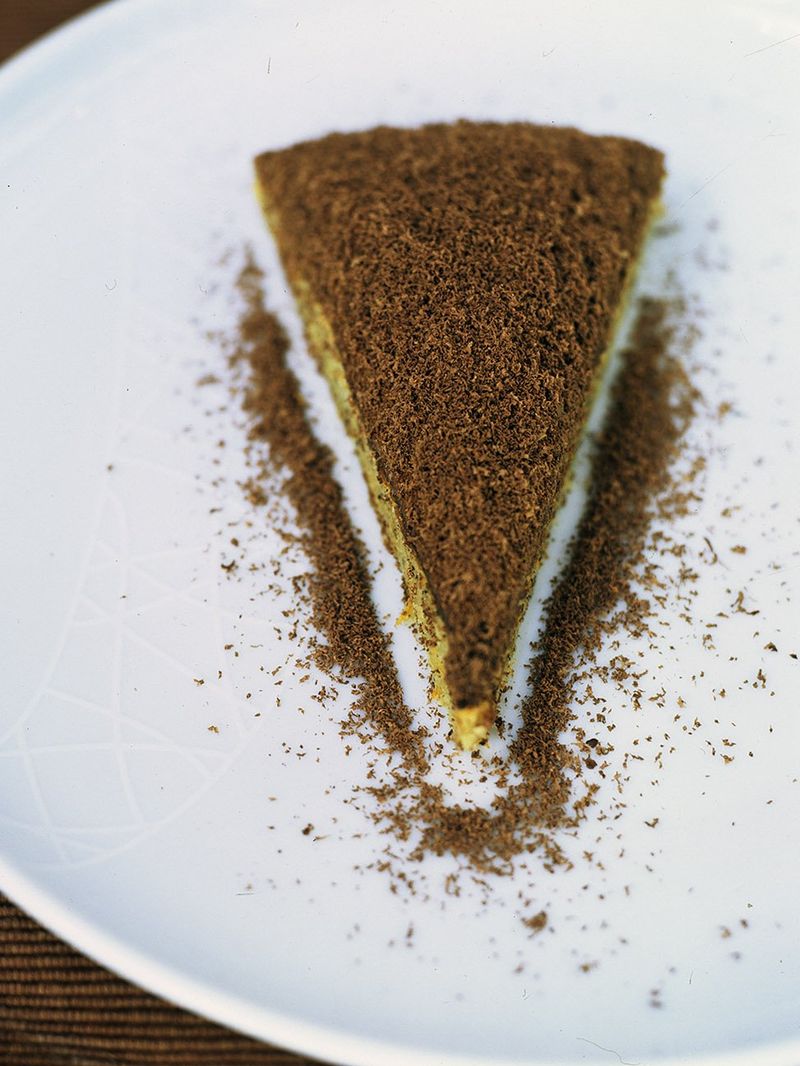
Hazelnut torte
A classic Italian dessert coated in grated chocolate
“This is one of the very first puddings I made when I started working, and I still love it! ”
Serves 10
Cooks In1 hour
DifficultySuper easy
Nutrition per serving
-
Calories 337 17%
-
Fat 23.2g 33%
-
Saturates 9.5g 48%
-
Sugars 21.9g 24%
-
Protein 6.9g 14%
-
Carbs 24.3g 9%
Of an adult's reference intake

Tap For Method
Ingredients
Would you rather see the UK version?
Would you rather see the US version?
Would you rather see the Australian version?
Would you rather see the German version?
Would you rather see the Dutch version?
Você prefere ver a versão em português?
Close
- 115 g butter , softened to room temperature, plus extra for tin
- 125 g hazelnuts
- 125 g sugar
- 4 large free-range eggs , separated
- 1 orange , zest of
- 30 g plain flour
- 125 g ricotta cheese
- 2 tablespoons poppy seeds
- 1 pinch salt
- 3 heaped tablespoons jam , preferably apricot
- 50 g good-quality cooking chocolate (70% cocoa solids) , finely grated
Tap For Method
The cost per serving below is generated by Whisk.com and is based on costs in individual supermarkets. For more information about how we calculate costs per serving read our FAQS
Tap For Ingredients
Method
- Preheat the oven to 190°C/375°F/gas 5. Butter a 28cm/11 inch loose-bottomed flan tin or cheesecake mould, line it with greaseproof paper and place it in the fridge. Put the hazelnuts on to a baking tray and roast in the oven for about 5 minutes until lightly golden. Allow to cool, then whiz up in a food processor until you have a fine powder — be careful not to over-whiz. You can bash the nuts up in a tea towel using a rolling pin if you don’t have a food processor.
Beat the butter and sugar together either in the food processor, or in a bowl with a whisk, until pale. Add the egg yolks one by one, and the orange zest. Sieve in the flour, crumble in the ricotta and stir in the powdered hazelnuts and the poppy seeds. In a separate bowl, beat the egg whites with a pinch of salt until they are really stiff, then fold them slowly into the hazelnut mixture. Pour the mixture into the cake tin and bake in the preheated oven for around 25-30 minutes until there is a little colour on the top of the torte. You can check to see that it’s ready by sticking a cocktail stick into the centre of the torte. It should come out clean and not sticky. - Remove from the oven and allow to cool. While it’s cooling, place the jam in a little pan with 4 tablespoons of water and bring this slowly up to the boil. Brush this over the top of the torte and, when cool, sprinkle with the grated chocolate. Serve with some crème fraîche or fromage frais.


Related video
© 2024 Jamie Oliver Enterprises Limited
© 2024 Jamie Oliver Enterprises Limited