


You've viewed 17 of 53 items


Cauliflower benefits
When it comes to the health benefits of cauliflower, this versatile vegetable is a powerhouse. It's an excellent source of vitamin C, which is crucial for a healthy immune system, and it also provides a good amount of folate.
80g or eight florets of cauliflower count as one portion towards your 5-a-day.
How to cook cauliflower
Try it raw, separating the head into smaller florets for salads or to eat with homemade dips. You can also steam, boil, fry or roast cauliflower; but make sure you don’t overcook it, as it’s not tasty when soft and mushy.
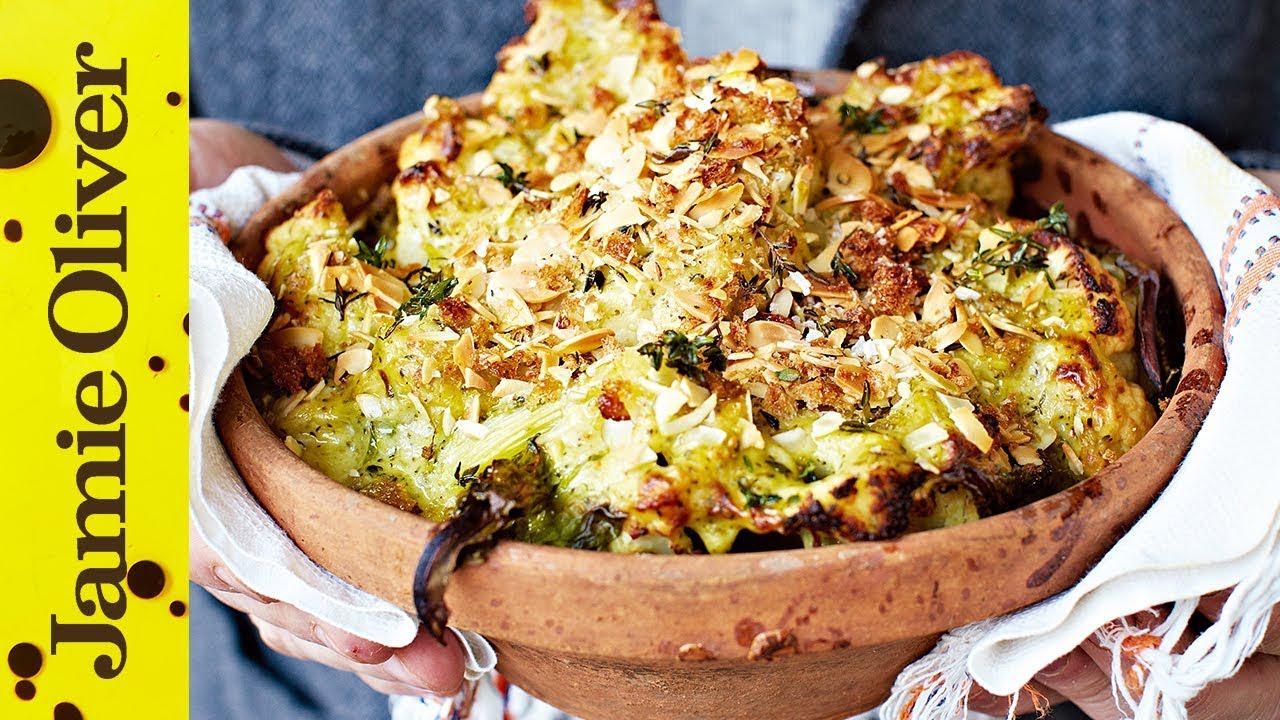
Cauliflower is great with spices and is delicious roasted in cumin and coriander seeds with a bit of dried chilli. The leaves and tender stalks are also edible and can be added, along with the florets, to dishes such as cauliflower cheese.
When is cauliflower in season?
Cauliflower is available throughout the year.
How to store cauliflower
Cauliflowers should be refrigerated for maximum freshness.
What is cauliflower?
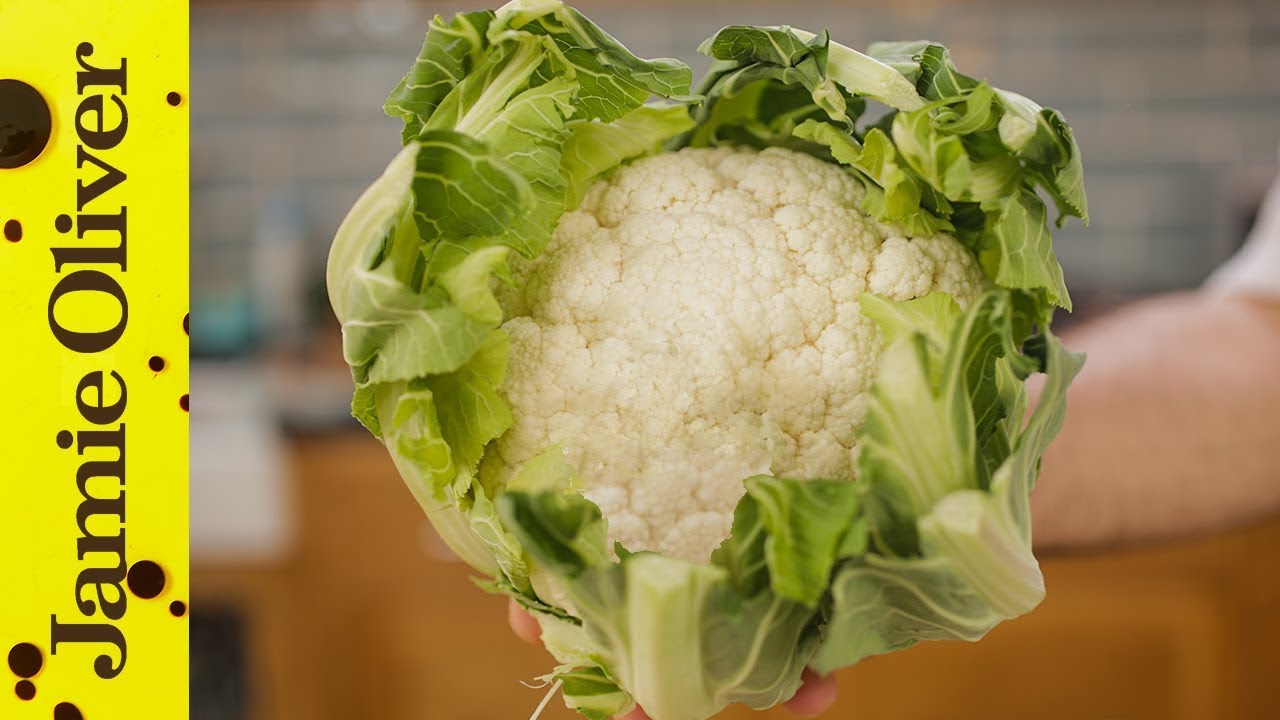
Cauliflower is a vegetable in the brassica plant family, related to broccoli, cabbage, Brussels sprouts and kale. It's made up of a cluster of flower buds, which are harvested before they start to open. To keep the bright white colour, the plant’s leaves cover the buds to protect them from the sun.
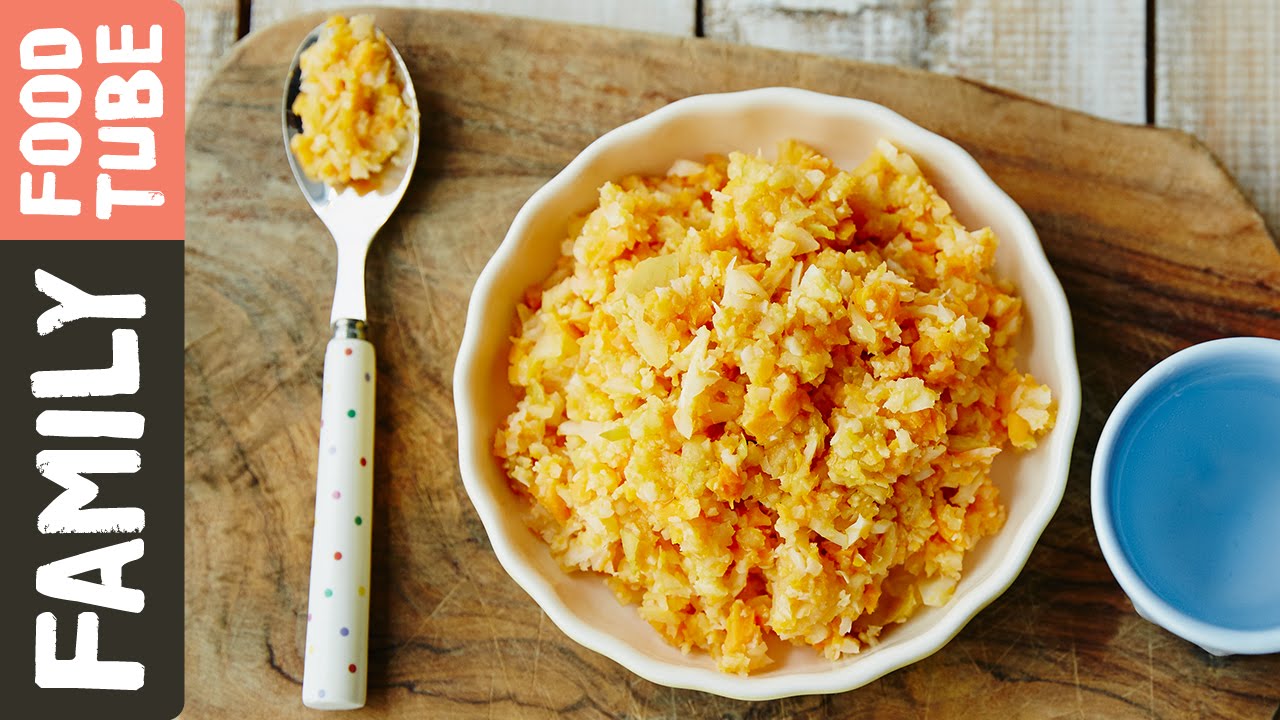
Extremely versatile, cauliflower has become a culinary favourite over the past few years as it can be blitzed up into a rice-like texture, mashed, roasted, boiled, or even griddled like a steak.
