Copyright © David Loftus

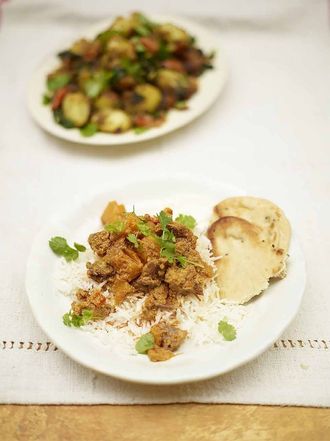
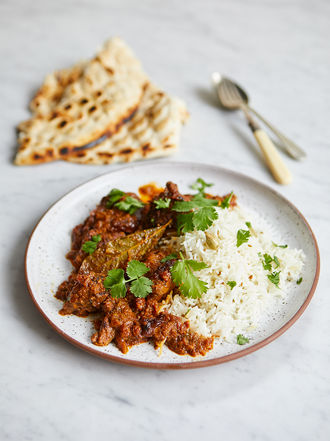
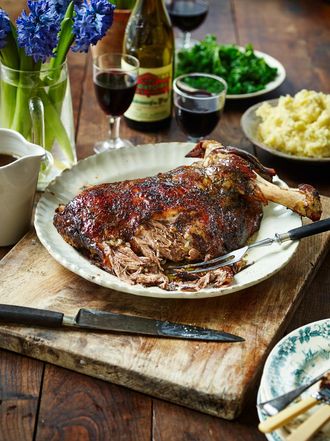
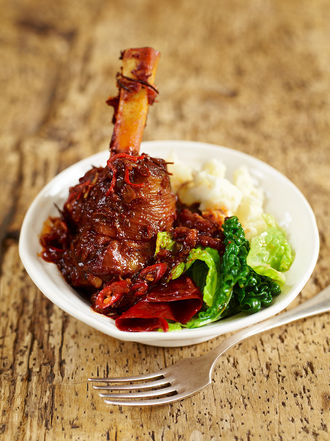
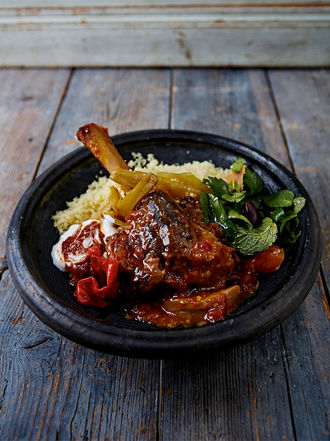
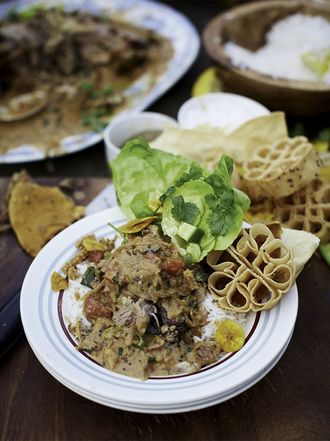
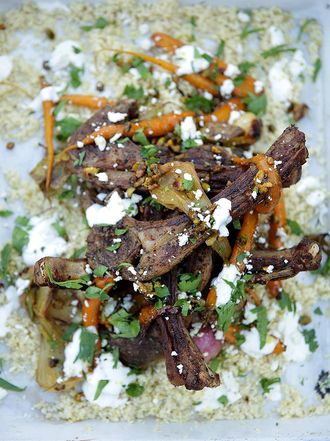
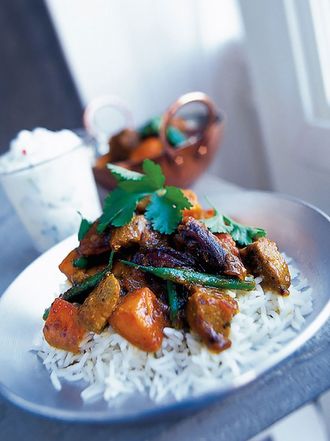
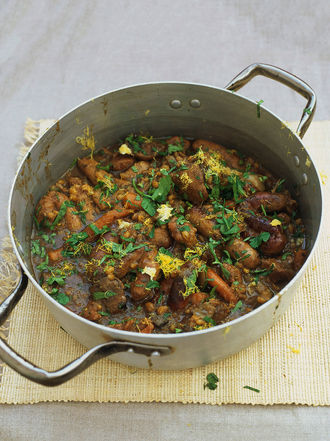
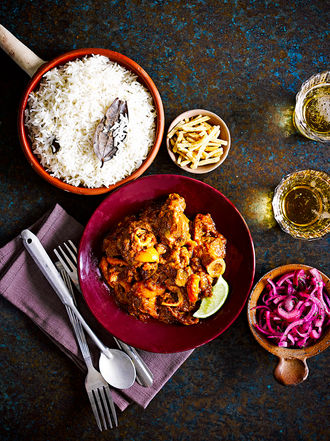
Rogan josh

More Dinner Party recipes >
0 foodies cooked this

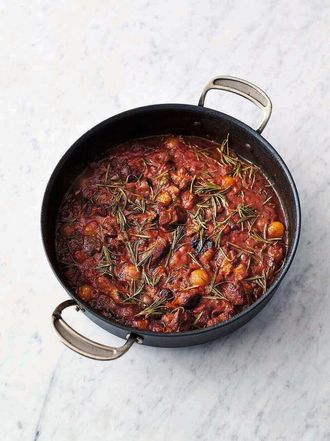
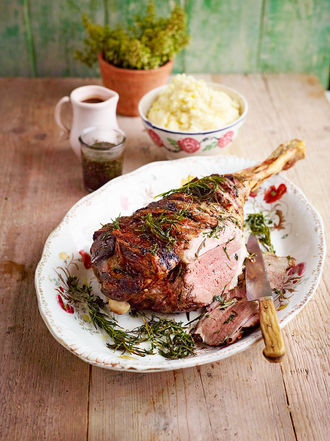
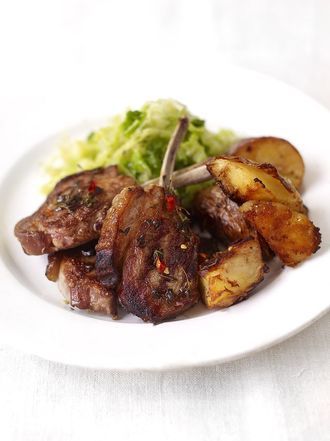
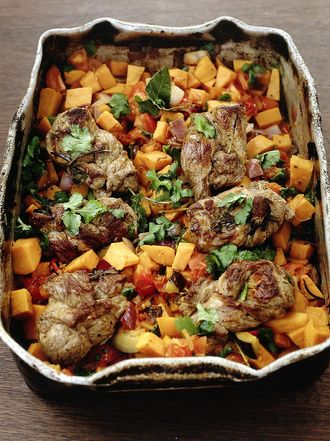
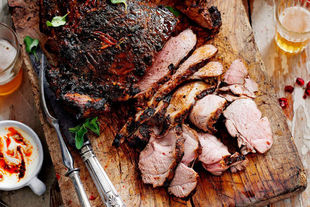
This makes a nice hot curry. Feel free to cut the chilli by half if you're scared – or double it if you want a vindaloo experience! Just remember to cook it nice and slow.

Nutritional Information - Amount per serving:
  • Calories 680kcal
  • Carbs 26.4g
  • Sugar 19.9g
  • Fat 42.9g
  • Saturates 17.7g
  • Protein 43.2g

Method

Mix your ginger and garlic together. Put them in a bowl that's big enough to fit all the cubed lamb in. Add the turmeric, yoghurt and black pepper to the bowl and mix together. Tip the lamb into the bowl and stir it around until it's well coated with the yoghurt and spices. Cover and leave overnight in the fridge to marinate.
Preheat your oven to 170ºC/325ºF/gas 3. Chop your onions and peppers roughly and whiz them in a food processor with the fresh red chillies.

Put the pan you are going to cook the curry in on the medium heat and add the cardamom, cloves, cinnamon and coriander. Toast until they go a shade darker in colour, then pour into a pestle and mortar and grind up with the dried red chillies.

Keep the pan on the heat and add a splash of vegetable oil. Add the whizzed onion, peppers and chilli paste from the food processor with the ground up spices and paprika.

Cook over a gentle heat for about 10 minutes. By now, lots of delicious curry smells will be coming out of the pot. Add the tomatoes, the marinated lamb and half a pint of water, and stir well. When the curry comes to the boil add the salt, cover tightly with a lid and place in your preheated oven. You can basically forget about it now, as all the hard work is done. Just wait 2 hours and carefully take the pot out of the oven.

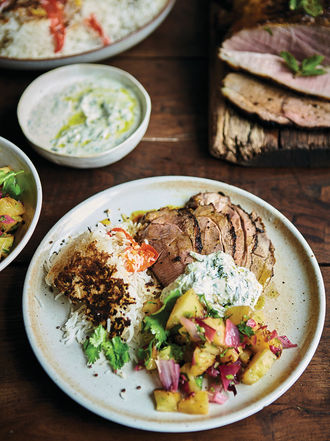
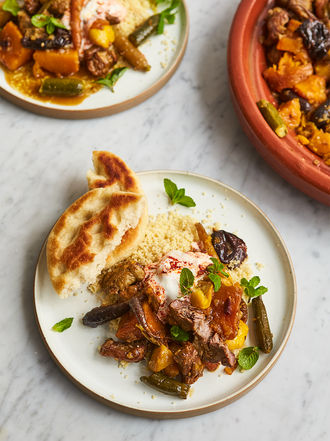
Taste it, and if it needs salt, add a little; if it's too hot, add a little yoghurt to cool it down. You can garnish with extra chilli, coconut and herbs. Serve with rice, your favourite Indian bread such as parathas, naans or chapattis, and loads of cold beer – you're going to need it!

BUYING SUSTAINABLY SOURCED FISH

Close

Buying sustainably sourced fish means buying fish that has been caught without endangering the levels of fish stocks and with the protection of the environment in mind. Wild fish caught in areas where stocks are plentiful are sustainably sourced, as are farmed fish that are reared on farms proven to cause no harm to surrounding seas and shores.

When buying either wild or farmed fish, ask whether it is sustainably sourced. If you're unable to obtain this information, don't be afraid to shop elsewhere – only by shopping sustainably can we be sure that the fantastic selection of fish we enjoy today will be around for future generations.

For further information about sustainably sourced fish, please refer to the useful links below:

Marine Stewardship Council
http://www.msc.org/

Fish Online
http://www.fishonline.org

comments powered by Disqus

Join the club

  • Create and save recipes

  • Chat in our forums

  • Ask Jamie your questions

  • Receive our weekly newsletter

  • Special offers and promotions

  • Plus £60 Naked wines voucher

Sign me up