Copyright © David Loftus

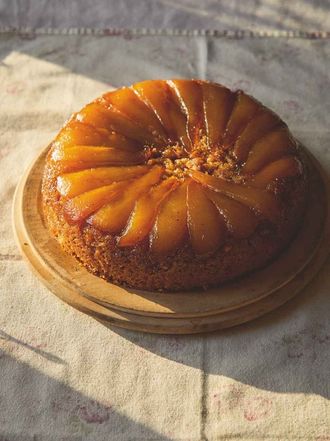
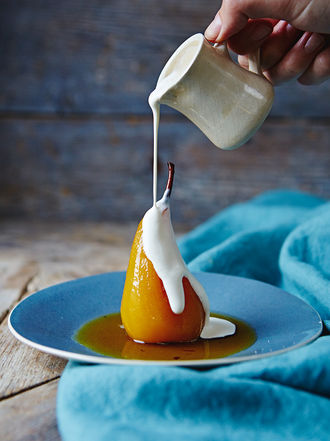
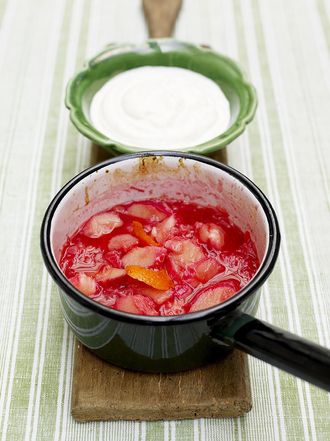
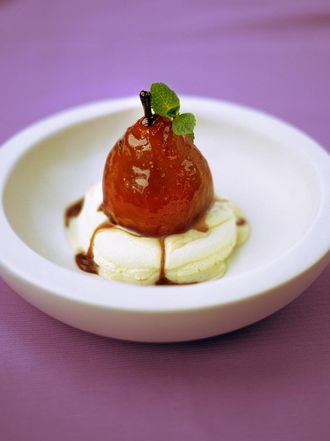
Baked pears with wine & a scrumptious walnut cream

0 foodies cooked this

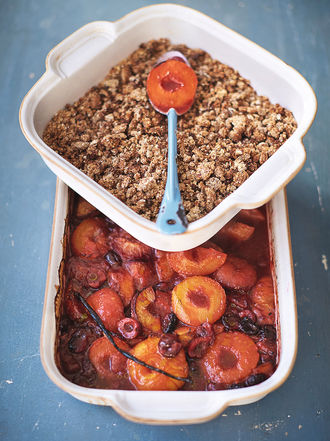
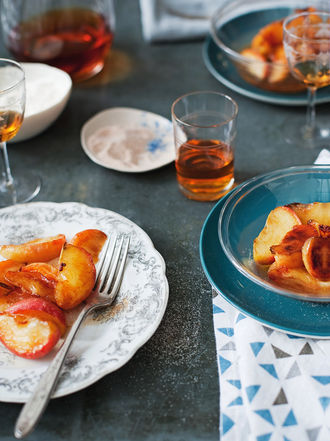
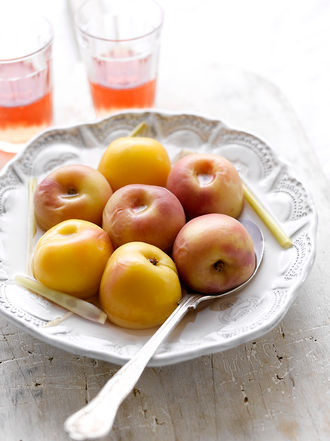
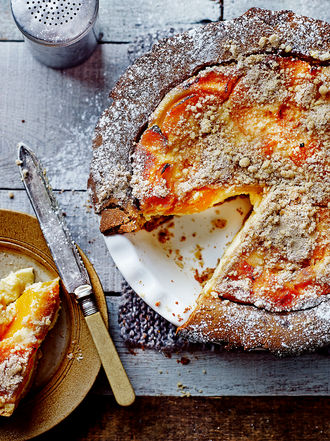
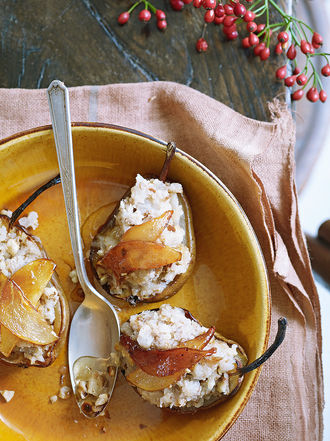
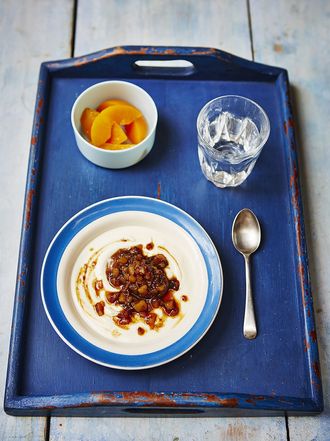
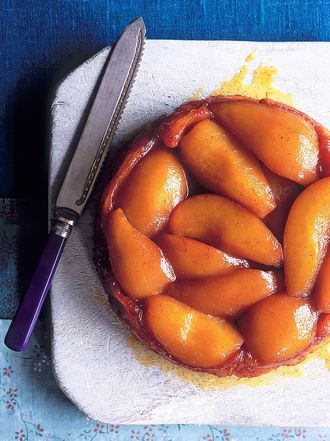
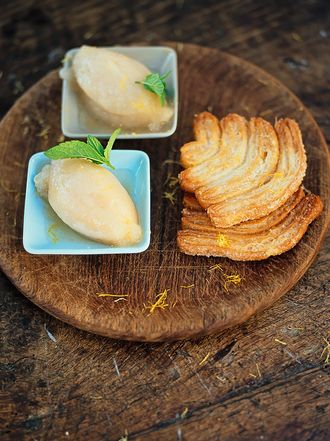
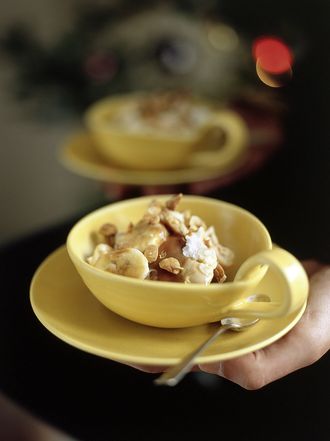
When I worked in France, I would visit a lovely little bakery once a week to buy a tart filled with a really amazing walnut cream, with poached glazed pears on top. It was such a joy to eat that I wanted to give you a recipe based on these flavours – the combination is fantastic. At Christmas time, it's nice to use chestnuts instead of walnuts, or you could even bash up or grate some good-quality chocolate to sprinkle over the pears as well.


Nutritional Information - Amount per serving:
  • Calories 983kcal
  • Carbs 70.4g
  • Sugar 70.0 g
  • Fat 61.3g
  • Saturates 21.2g
  • Protein 12.4g

Method

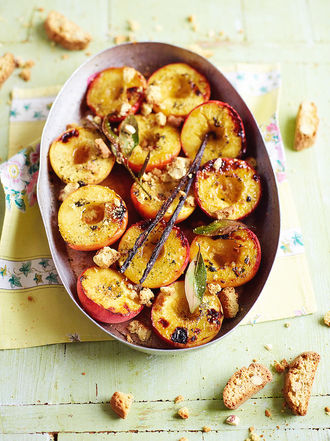
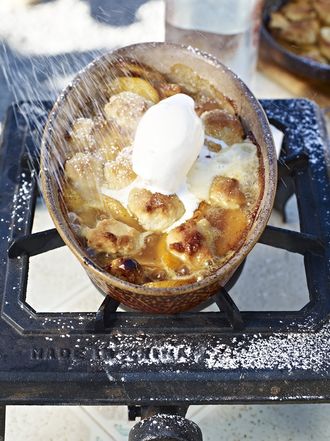
Preheat the oven to 220ºC/425ºF/gas 7. Score down the length of the vanilla pod and remove the seeds by scraping a knife down the inside of each half. Put the pears into a tight-fitting ovenproof pot or pan, add the 125g of sugar, wine, vanilla pod and seeds, and the peel and juice of 1 orange and bring to the boil. Sprinkle over half the walnuts and then put in the oven to bake. Every so often, baste the pears with the syrup they are cooking in, as this will give them a nice glaze. Cook for around 20 to 30 minutes, depending on the ripeness, until the pears are tender but still holding their shape, then remove from the oven and allow to cool while you roast the remaining walnuts on a baking tray in the oven for 5 minutes – make sure you keep an eye on them as they can quickly go from golden to black and you don't want burnt walnuts!

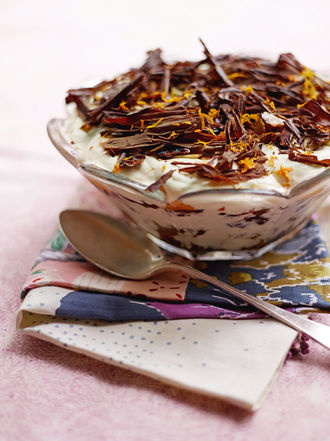
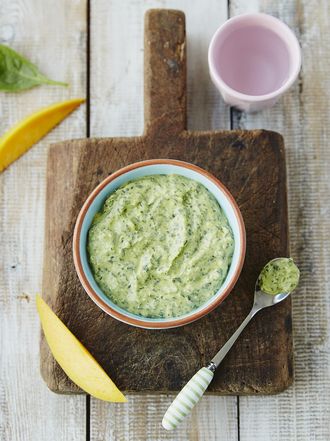
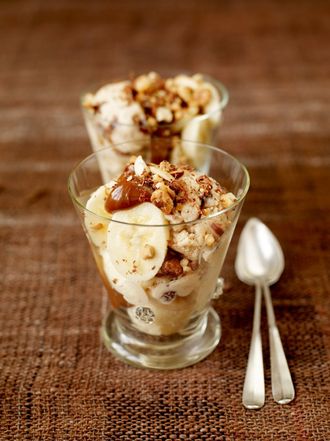
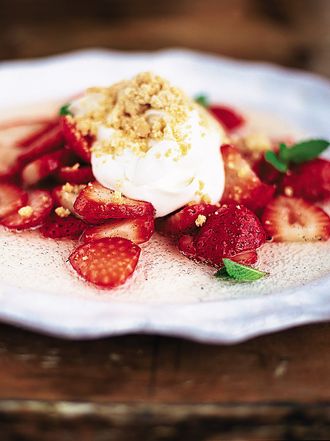
Remove the vanilla pod from the syrup. When the walnuts are done, either whiz them in a food processor or bash them up with a pestle and mortar until you have a paste. Whip up the mascarpone with the walnut paste, the zest and juice of the other orange and enough sugar to sweeten, and serve this cream with the baked pears, the nuts, some orange peel and some of the cooking syrup.


Other recipes with:

BUYING SUSTAINABLY SOURCED FISH

Close

Buying sustainably sourced fish means buying fish that has been caught without endangering the levels of fish stocks and with the protection of the environment in mind. Wild fish caught in areas where stocks are plentiful are sustainably sourced, as are farmed fish that are reared on farms proven to cause no harm to surrounding seas and shores.

When buying either wild or farmed fish, ask whether it is sustainably sourced. If you're unable to obtain this information, don't be afraid to shop elsewhere – only by shopping sustainably can we be sure that the fantastic selection of fish we enjoy today will be around for future generations.

For further information about sustainably sourced fish, please refer to the useful links below:

Marine Stewardship Council
http://www.msc.org/

Fish Online
http://www.fishonline.org

comments powered by Disqus

Join the club

  • Create and save recipes

  • Chat in our forums

  • Ask Jamie your questions

  • Receive our weekly newsletter

  • Special offers and promotions

  • Plus £60 Naked wines voucher

Sign me up